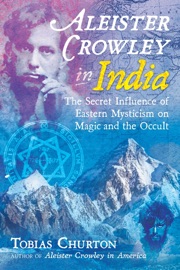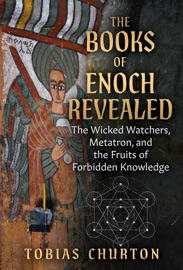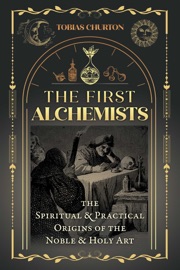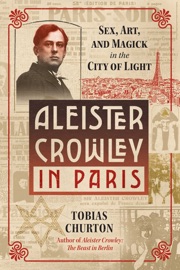
⢠Comprehensively explores the meanings, history, ideas, and experience of Heaven throughout the worldâs exoteric and esoteric traditions
⢠Explores the heavens of Egypt, Mesopotamia, Greece, the Abrahamic traditions, Far Eastern mythologies, and Indigenous nations
⢠Considers questions about our âneedâ for Heaven, further informed by popular culture, folklore, and personal experience
Across all ages people have wondered about the afterlife. Is Heaven a reward for good behavior, the home of the gods, or a state of being? As Tobias Churton reveals, such questions and beliefs about the nature of Heaven go back to humanityâs earliest days. Beginning with mythology in ancient Mesopotamia, Egypt, and the Far East, we find sophisticated conceptions within early philosophy and the Abrahamic religions, many of which persist unchanged.
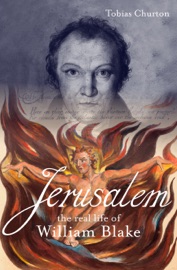
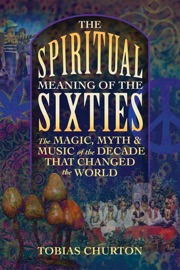
Churton examines the complexities of Jesusâs teaching that âthe Kingdom of God is within youâ and Islamic ideas about paradise. He analyzes the beliefs of Eastern mystics and Maori, Australian Aboriginal, and Polynesian traditions as well as heavenly conceptions among Indigenous cultures of the Americas. He presents Renaissance-era understandings of Heavenâs connection to the body in the alchemical spiritual medicine of Paracelsus and the mysticism of Jacob BĂśhme and reveals that Emmanuel Swedenborg, followed by William Blake, controversially associated Heaven with sexuality. Churton then delves into the contemporary era, exploring Heaven from perspectives of spiritualism, psychedelic experience, communist materialism, and the arts, including John Lennonâs lyrical suggestion that we imagine that there is no heaven.
Whether Heaven is considered a specific place or a deeply felt state of being, this in-depth investigation emphasizes its resonance and significance for all of humanity.
⢠Comprehensively explores the meanings, history, ideas, and experience of Heaven throughout the worldâs exoteric and esoteric traditions
⢠Explores the heavens of Egypt, Mesopotamia, Greece, the Abrahamic traditions, Far Eastern mythologies, and Indigenous nations
⢠Considers questions about our âneedâ for Heaven, further informed by popular culture, folklore, and personal experience
Across all ages people have wondered about the afterlife. Is Heaven a reward for good behavior, the home of the gods, or a state of being? As Tobias Churton reveals, such questions and beliefs about the nature of Heaven go back to humanityâs earliest days. Beginning with mythology in ancient Mesopotamia, Egypt, and the Far East, we find sophisticated conceptions within early philosophy and the Abrahamic religions, many of which persist unchanged.
Churton examines the complexities of Jesusâs teaching that âthe Kingdom of God is within youâ and Islamic ideas about paradise. He analyzes the beliefs of Eastern mystics and Maori, Australian Aboriginal, and Polynesian traditions as well as heavenly conceptions among Indigenous cultures of the Americas. He presents Renaissance-era understandings of Heavenâs connection to the body in the alchemical spiritual medicine of Paracelsus and the mysticism of Jacob BĂśhme and reveals that Emmanuel Swedenborg, followed by William Blake, controversially associated Heaven with sexuality. Churton then delves into the contemporary era, exploring Heaven from perspectives of spiritualism, psychedelic experience, communist materialism, and the arts, including John Lennonâs lyrical suggestion that we imagine that there is no heaven.
Whether Heaven is considered a specific place or a deeply felt state of being, this in-depth investigation emphasizes its resonance and significance for all of humanity.