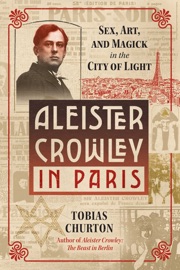
How fin-de-siècle Paris became the locus for the most intense revival of magical practices and doctrines since the Renaissance
⢠Examines the remarkable lives of occult practitioners JosĂŠphin Peladan, Papus, Stanislas de GuaĂŻta, Saint-Yves dâAlveydre, Jules Doinel, and others
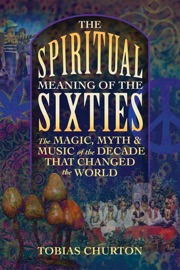
⢠Reveals how occult activity deeply influenced many well-known cultural movements, such as Symbolism, the Decadents, modern music, and the âpsychedelic 60sâ
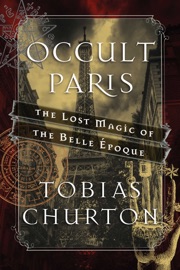
During Parisâs Belle Ăpoque (1871-1914), many cultural movements and artistic styles flourished--Symbolism, Impressionism, Art Nouveau, the Decadents--all of which profoundly shaped modern culture. Inseparable from this cultural advancement was the explosion of occult activity taking place in the City of Light at the same time.
Exploring the magical, artistic, and intellectual world of the Belle Ăpoque, Tobias Churton shows how a wide variety of Theosophists, Rosicrucians, Martinists, Freemasons, Gnostics, and neo-Cathars called fin-de-siècle Paris home. He examines the precise interplay of occultists JosĂŠphin Peladan, Papus, Stanislas de GuaĂŻta, and founder of the modern Gnostic Church Jules Doinel, along with lesser known figures such as Saint-Yves dâAlveydre, Paul SĂŠdir, Charles Barlet, Edmond Bailly, Albert Jounet, AbbĂŠ Lacuria, and Lady Caithness. He reveals how the work of many masters of modern culture such as composers Claude Debussy and Erik Satie, writers Arthur Rimbaud and Charles Baudelaire, and painters Georges Seurat and Alphonse Osbert bear signs of immersion in the esoteric circles that were thriving in Paris at the time. The author demonstrates how the creative hermetic ferment that animated the City of Light in the decades leading up to World War I remains an enduring presence and powerful influence today. Where, he asks, would Aleister Crowley and all the magicians of today be without the Parisian source of so much creativity in this field?
Conveying the living energy of Paris in this richly artistic period of history, Churton brings into full perspective the characters, personalities, and forces that made Paris a global magnet and which allowed later cultural movements, such as the âpsychedelic 60s,â to rise from the ashes of post-war Europe.
How fin-de-siècle Paris became the locus for the most intense revival of magical practices and doctrines since the Renaissance
⢠Examines the remarkable lives of occult practitioners JosĂŠphin Peladan, Papus, Stanislas de GuaĂŻta, Saint-Yves dâAlveydre, Jules Doinel, and others
⢠Reveals how occult activity deeply influenced many well-known cultural movements, such as Symbolism, the Decadents, modern music, and the âpsychedelic 60sâ
During Parisâs Belle Ăpoque (1871-1914), many cultural movements and artistic styles flourished--Symbolism, Impressionism, Art Nouveau, the Decadents--all of which profoundly shaped modern culture. Inseparable from this cultural advancement was the explosion of occult activity taking place in the City of Light at the same time.
Exploring the magical, artistic, and intellectual world of the Belle Ăpoque, Tobias Churton shows how a wide variety of Theosophists, Rosicrucians, Martinists, Freemasons, Gnostics, and neo-Cathars called fin-de-siècle Paris home. He examines the precise interplay of occultists JosĂŠphin Peladan, Papus, Stanislas de GuaĂŻta, and founder of the modern Gnostic Church Jules Doinel, along with lesser known figures such as Saint-Yves dâAlveydre, Paul SĂŠdir, Charles Barlet, Edmond Bailly, Albert Jounet, AbbĂŠ Lacuria, and Lady Caithness. He reveals how the work of many masters of modern culture such as composers Claude Debussy and Erik Satie, writers Arthur Rimbaud and Charles Baudelaire, and painters Georges Seurat and Alphonse Osbert bear signs of immersion in the esoteric circles that were thriving in Paris at the time. The author demonstrates how the creative hermetic ferment that animated the City of Light in the decades leading up to World War I remains an enduring presence and powerful influence today. Where, he asks, would Aleister Crowley and all the magicians of today be without the Parisian source of so much creativity in this field?
Conveying the living energy of Paris in this richly artistic period of history, Churton brings into full perspective the characters, personalities, and forces that made Paris a global magnet and which allowed later cultural movements, such as the âpsychedelic 60s,â to rise from the ashes of post-war Europe.