Discover the mind behind the modern economy.
This edition features a custom introduction offering biographical insight into Adam Smithâs life and the historical context that shaped his revolutionary ideas. From his early years in Scotland to his mentorship under moral philosopher Francis Hutchinson, uncover the journey that culminated in two of historyâs most influential works.
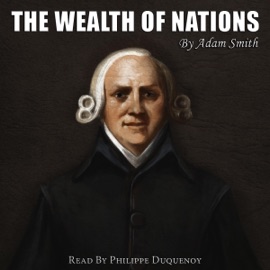
The Wealth of Nations (1776), presented in its complete, unabridged version, laid the foundation for modern economic theory. Divided into five parts, Smithâs analysis of self-interest, free markets, and the division of labor continues to shape economic policies worldwide.
The Theory of Moral Sentiments (1759), which Smith considered his most important work, explores human morality. Smith argues that empathyâwhat he called a âmutual sympathy of sentimentsââplays a crucial role in shaping our actions toward others.
Together, these works present a complete vision of Smithâs philosophy: a world where human behavior is driven by both economic self-interest and moral responsibility. His timeless ideas remain essential for understanding the complex relationship between economics and human nature, and continue to influence thought today.

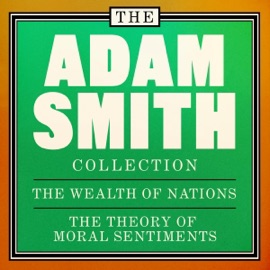
Spanning over 57 hours, whether you're studying economics, philosophy, or seeking to grasp the foundations of capitalism and morality, the Adam Smith Collection offers an unparalleled journey into the mind of the father of modern economics.
Adam Smith Collection: The Wealth of Nations and the Theory of Moral Sentiments (Unabridged) - Adam Smith
Discover the mind behind the modern economy.
This edition features a custom introduction offering biographical insight into Adam Smithâs life and the historical context that shaped his revolutionary ideas. From his early years in Scotland to his mentorship under moral philosopher Francis Hutchinson, uncover the journey that culminated in two of historyâs most influential works.
The Wealth of Nations (1776), presented in its complete, unabridged version, laid the foundation for modern economic theory. Divided into five parts, Smithâs analysis of self-interest, free markets, and the division of labor continues to shape economic policies worldwide.
The Theory of Moral Sentiments (1759), which Smith considered his most important work, explores human morality. Smith argues that empathyâwhat he called a âmutual sympathy of sentimentsââplays a crucial role in shaping our actions toward others.
Together, these works present a complete vision of Smithâs philosophy: a world where human behavior is driven by both economic self-interest and moral responsibility. His timeless ideas remain essential for understanding the complex relationship between economics and human nature, and continue to influence thought today.
Spanning over 57 hours, whether you're studying economics, philosophy, or seeking to grasp the foundations of capitalism and morality, the Adam Smith Collection offers an unparalleled journey into the mind of the father of modern economics.