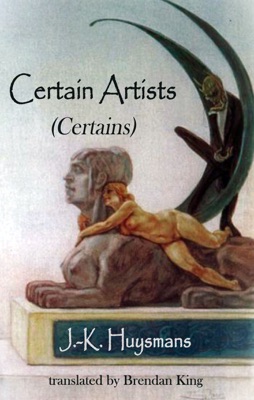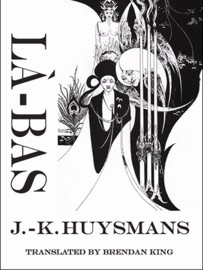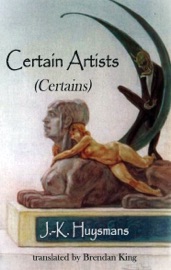
Certain Artists makes for compelling reading. Huysmansâ idiosyncratic assessments throw light on his aesthetic preoccupations, past and present, and hint at the spiritual journey he was about to undertake. It includes over 140 black and white illustrations, as well as an introduction, setting the book in the context of its time, comprehensive notes, and a glossary of the artists mentioned. First published in 1889, but never before translated into English, this second collection of J.-K. Huysmansâ art criticism serves as a companion to the authorâs iconoclastic Modern Art (LâArt moderne) of 1883. Unlike the earlier volume, Huysmans wastes little time lambasting the art of the establishment, the Academic painters whose work had lined the annual Salon for years. Instead, he concentrates on a series of his own artistic enthusiasms, which he explores with his trademark spleen and invective. There are extended analyses of Edgar Degasâs controversial portraits of women at their toilette; of Odilon Redonâs monstrous and disturbing engravings, of Gustave Moreauâs heiratic paintings that had such a powerful influence on Against Nature; and of FĂ©licien Rops, whose Satanic engravings, particularly his images of women as agents of the devil, would haunt Huysmansâ subsequent novel, LĂ -bas, of 1891.