Progress! Itâs wonderfulâthough it sometimes has unexpected and undesirable side effects. Read the long warning list of possible side effects on a medicine bottleâs label sometime . . . the part in really tiny print.
But surely the benefits of modern technology outweigh the drawbacks. Until they donât. Remember how increasingly deadly weapons, from the machine gun to the Hâbomb, were supposed to make war too horrific to even be contemplated? Didnât happen. The cell phone has made it possible to phone from almost anywhereâtoo bad if you wanted to be out of reach. And civilization is so big and complicated, that a breakdown of any part can have disastrous consequences. Modern transportation makes it possible to get anywhere in a hurry, though traffic jams and overextended airports may slow the hurry part to a crawl. And it also can ensure that a new disease can go all over the planet in a few days. Then, thereâs the sheer complexity of society itself, from interminable waits at the DMV to trying to get tech help on the phone (âYour call is important to us . . .â).
And thatâs just the present day. What new technologies, new ways of organizing (or disorganizing) society, new confused and confusing government bureaucracies, new ways for small disgruntled groups to wreak havoc, and worse, will the future bring? Will privacy keep eroding? Could computers and robots take over? Maybe they wouldnât want to. And if the pace of modern life is driving you batty, just wait to see whatâs on the horizon.
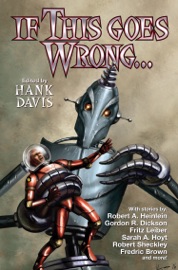
Exploring such scary, yet fascinating, possibilities are such masters of science fiction as Robert A. Heinlein, Sarah A. Hoyt, Fritz Leiber, Gordon R. Dickson, Lester del Rey, Christopher Anvil, Fredric Brown, and more, writers who have seen the futureâand it may not work . . .
At the publisherâs request, this title is sold without DRM (Digital Rights Management).
Progress! Itâs wonderfulâthough it sometimes has unexpected and undesirable side effects. Read the long warning list of possible side effects on a medicine bottleâs label sometime . . . the part in really tiny print.
But surely the benefits of modern technology outweigh the drawbacks. Until they donât. Remember how increasingly deadly weapons, from the machine gun to the Hâbomb, were supposed to make war too horrific to even be contemplated? Didnât happen. The cell phone has made it possible to phone from almost anywhereâtoo bad if you wanted to be out of reach. And civilization is so big and complicated, that a breakdown of any part can have disastrous consequences. Modern transportation makes it possible to get anywhere in a hurry, though traffic jams and overextended airports may slow the hurry part to a crawl. And it also can ensure that a new disease can go all over the planet in a few days. Then, thereâs the sheer complexity of society itself, from interminable waits at the DMV to trying to get tech help on the phone (âYour call is important to us . . .â).
And thatâs just the present day. What new technologies, new ways of organizing (or disorganizing) society, new confused and confusing government bureaucracies, new ways for small disgruntled groups to wreak havoc, and worse, will the future bring? Will privacy keep eroding? Could computers and robots take over? Maybe they wouldnât want to. And if the pace of modern life is driving you batty, just wait to see whatâs on the horizon.
Exploring such scary, yet fascinating, possibilities are such masters of science fiction as Robert A. Heinlein, Sarah A. Hoyt, Fritz Leiber, Gordon R. Dickson, Lester del Rey, Christopher Anvil, Fredric Brown, and more, writers who have seen the futureâand it may not work . . .
At the publisherâs request, this title is sold without DRM (Digital Rights Management).