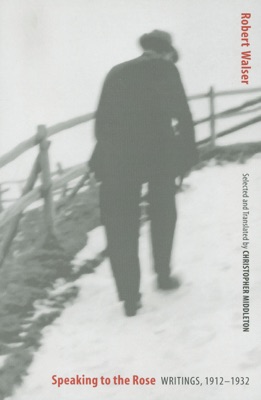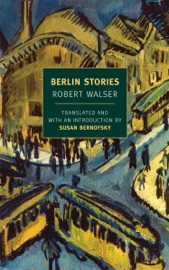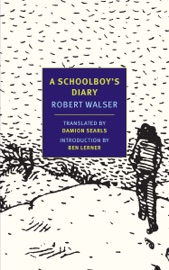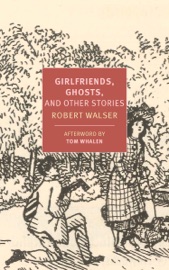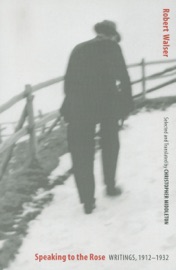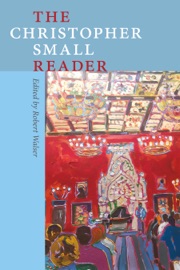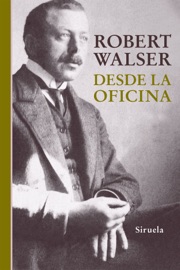
The Swiss writer of whom Hermann Hesse famously declared, âIf he had a hundred thousand readers, the world would be a better place,â Robert Walser (1878â1956) is only now finding an audience among English-speaking readers commensurate with his meritsâif not with his self-image. After a wandering, precarious life during which he produced poems, essays, stories, and novels, Walser entered an insane asylum, saying, âI am not here to write, but to be mad.â Many of the unpublished works he left were in fact written in an idiosyncratically abbreviated script that was for years dismissed as an impenetrable private cipher. Fourteen texts from these so-called pencil manuscripts are included in this volumeârich evidence that Walserâs microscripts, rather than the work of incipient madness, were in actuality the product of desperate genius building a last reserve, and as such, a treasure in modern literature. With a brisk preface and a chronology of Walserâs life and work, this collection of fifty translations of short prose pieces covers the middle to later years of the writerâs oeuvre. It provides unparalleled insight into Walserâs creative process, along with a unique opportunity to experience the unfolding of his rare and eccentric gift. His novels The Robber (Nebraska 2000) and Jakob von Gunten are also available in English translation.