There is a book no one should finish readingâbecause once its final act is opened, reality begins to shift.
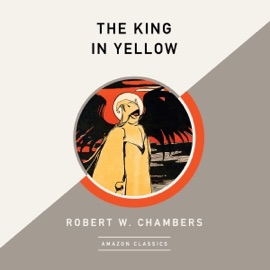
The King in Yellow by Robert W. Chambers remains one of the most unsettling creations in weird fiction: a sequence of stories linked by a forbidden text, a hidden symbol, and the slow intrusion of dread into ordinary thought. Long before modern cosmic horror took shape, Chambers built a world where terror arrives not through monsters, but through suggestion, atmosphere, and mental fracture.
Within these stories, artists, dreamers, and isolated minds encounter fragments of a mysterious play whose second act no one reads without consequence. Decadent cities, strange visions, and elegant conversations gradually open onto something colder and older than reason. The collection moves from psychological unease to uncanny revelation with remarkable control.
Its lasting influence is immense: without The King in Yellow, much of twentieth-century weird fiction would sound different. Its echoes reach through modern horror, occult fiction, and literary mystery because Chambers understood that fear deepens when meaning remains incomplete.
Clear AI narration serves this work especially well, preserving the measured elegance of the prose while allowing every subtle shift in tone to emerge with unsettling clarity.
If you want to hear one of horrorâs most influential and enigmatic classics exactly where modern unease began, begin listening nowâbut do not expect the atmosphere to leave when the chapter ends.
There is a book no one should finish readingâbecause once its final act is opened, reality begins to shift.
The King in Yellow by Robert W. Chambers remains one of the most unsettling creations in weird fiction: a sequence of stories linked by a forbidden text, a hidden symbol, and the slow intrusion of dread into ordinary thought. Long before modern cosmic horror took shape, Chambers built a world where terror arrives not through monsters, but through suggestion, atmosphere, and mental fracture.
Within these stories, artists, dreamers, and isolated minds encounter fragments of a mysterious play whose second act no one reads without consequence. Decadent cities, strange visions, and elegant conversations gradually open onto something colder and older than reason. The collection moves from psychological unease to uncanny revelation with remarkable control.
Its lasting influence is immense: without The King in Yellow, much of twentieth-century weird fiction would sound different. Its echoes reach through modern horror, occult fiction, and literary mystery because Chambers understood that fear deepens when meaning remains incomplete.
Clear AI narration serves this work especially well, preserving the measured elegance of the prose while allowing every subtle shift in tone to emerge with unsettling clarity.
If you want to hear one of horrorâs most influential and enigmatic classics exactly where modern unease began, begin listening nowâbut do not expect the atmosphere to leave when the chapter ends.