Charlotte Eliza Lawson Cowan was born in Carrickfergus, County Antrim, Ireland, on 30th September 1832, the youngest daughter of James Cowan, a High Sheriff for the County of Antrim, and Ellen Kilshaw from Liverpool, England. In the winter of 1855, four years after her father's death, she and her mother moved to London. Sadly, within the year, her mother also passed.
In 1857, she married Joseph Hadley Riddell, a civil engineer. The marriage was happy by all accounts but produced no children.
Her first novel, âThe Moors and the Fensâ, was published in 1858 under the pseudonym of F. G. Trafford, which she used until publishing under the moniker âMrs Riddellâ from 1864.
Charlotte was a prolific, respected and popular author. In her literary career she published over 50 novels and short stories. The most notable is perhaps âGeorge Geith of Fen Courtâ (1864), for which she was paid ÂŁ800. It was later dramatised in 1883 by Wybert Reeve.
From 1867, Charlotte ventured into new territory, becoming the co-proprietor and editor of the well-regarded St. James's Magazine, which had begun publishing 1861. She also edited the magazine âHome in the Sixtiesâ, and wrote short stories and tales for the Society for the Promotion of Christian Knowledge and Routledge's Christmas annuals.
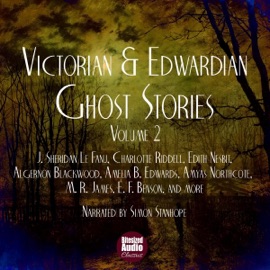
Charlotte was a prominent writer of ghost stories; âFairy Waterâ, âThe Uninhabited Houseâ, âThe Haunted Riverâ, âThe Disappearance of Mr Jeremiah Redworthâ and âThe Nun's Curseâ, all deal with buildings occupied by supernatural phenomena. Charlotte also wrote several short ghost stories, such as âThe Open Doorâ and âNut Bush Farmâ, which are regularly anthologised.
In 1880 Joseph died. She now withdrew from society and became a recluse. From 1886 this was in Upper Halliford, Middlesex.
In 1901 Charlotte became the recipient of the first pension, ÂŁ60 a year, from the Society of Authors.
Charlotte Riddell died from cancer in Ashford, Kent, on 24th September 1906.
The Last of Squire Ennismore: From their pens to your ears, genius in every story - Charlotte Riddell
Charlotte Eliza Lawson Cowan was born in Carrickfergus, County Antrim, Ireland, on 30th September 1832, the youngest daughter of James Cowan, a High Sheriff for the County of Antrim, and Ellen Kilshaw from Liverpool, England. In the winter of 1855, four years after her father's death, she and her mother moved to London. Sadly, within the year, her mother also passed.
In 1857, she married Joseph Hadley Riddell, a civil engineer. The marriage was happy by all accounts but produced no children.
Her first novel, âThe Moors and the Fensâ, was published in 1858 under the pseudonym of F. G. Trafford, which she used until publishing under the moniker âMrs Riddellâ from 1864.
Charlotte was a prolific, respected and popular author. In her literary career she published over 50 novels and short stories. The most notable is perhaps âGeorge Geith of Fen Courtâ (1864), for which she was paid ÂŁ800. It was later dramatised in 1883 by Wybert Reeve.
From 1867, Charlotte ventured into new territory, becoming the co-proprietor and editor of the well-regarded St. James's Magazine, which had begun publishing 1861. She also edited the magazine âHome in the Sixtiesâ, and wrote short stories and tales for the Society for the Promotion of Christian Knowledge and Routledge's Christmas annuals.
Charlotte was a prominent writer of ghost stories; âFairy Waterâ, âThe Uninhabited Houseâ, âThe Haunted Riverâ, âThe Disappearance of Mr Jeremiah Redworthâ and âThe Nun's Curseâ, all deal with buildings occupied by supernatural phenomena. Charlotte also wrote several short ghost stories, such as âThe Open Doorâ and âNut Bush Farmâ, which are regularly anthologised.
In 1880 Joseph died. She now withdrew from society and became a recluse. From 1886 this was in Upper Halliford, Middlesex.
In 1901 Charlotte became the recipient of the first pension, ÂŁ60 a year, from the Society of Authors.
Charlotte Riddell died from cancer in Ashford, Kent, on 24th September 1906.