Please note: This audiobook has been created using AI voice.
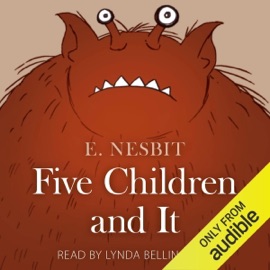
Initially published in The Strand Magazine, which explains its episodic nature, Five Children and It was later collected into a book. Like many of E. Nesbitās works, it has proven popular with children and adults to this day. It has been adapted into a TV series, a musical, a film, and even an anime series.
In this story, five siblings encounter an ancient magical creature in a gravel pit. The Psammead, as it calls itself, grants each of them a wish per day, with the restriction that it ends at sunset. As expected, all of the childrenās wishes go comically wrong, and itās up to them to solve the problems they created.
E. Nesbitās enduring popularity is due in large part to the way she addresses children. Like Lewis Carrol and Kenneth Grahame, she engages children seriously, tapping into their imagination without any condescension. C. S. Lewis admired her, and the grumpy (but kind) sandsorcerer Psamathos in Roverandom, a story J. R. R. Tolkien wrote for his own children, bears a striking resemblance to the Psammeadāindeed, an early version of the story featured the creature itself!
Please note: This audiobook has been created using AI voice.
Initially published in The Strand Magazine, which explains its episodic nature, Five Children and It was later collected into a book. Like many of E. Nesbitās works, it has proven popular with children and adults to this day. It has been adapted into a TV series, a musical, a film, and even an anime series.
In this story, five siblings encounter an ancient magical creature in a gravel pit. The Psammead, as it calls itself, grants each of them a wish per day, with the restriction that it ends at sunset. As expected, all of the childrenās wishes go comically wrong, and itās up to them to solve the problems they created.
E. Nesbitās enduring popularity is due in large part to the way she addresses children. Like Lewis Carrol and Kenneth Grahame, she engages children seriously, tapping into their imagination without any condescension. C. S. Lewis admired her, and the grumpy (but kind) sandsorcerer Psamathos in Roverandom, a story J. R. R. Tolkien wrote for his own children, bears a striking resemblance to the Psammeadāindeed, an early version of the story featured the creature itself!